
Alessandro Barbero Podcast - La Storia
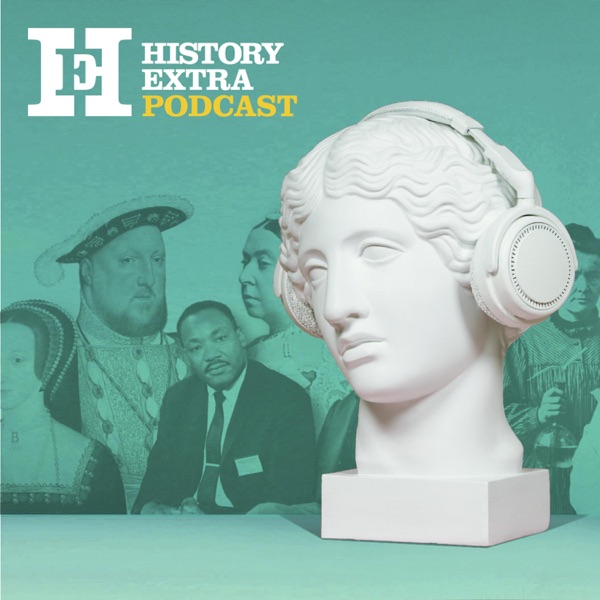
What was 'nidgeting'? How did women know they were pregnant before modern tests? And what did people in the past believe a mother’s imagination could do to her unborn child? In this episode, Lauren Good speaks to historian Erin Maglaque about her book Presence, which explores the history of the female body – and society's longstanding beliefs about it. ––––– GO BEYOND THE PODCAST To find out more about the history of women's bodies, why not listen to another of Lauren's interviews on the HistoryExtra podcast with Helen King, in which they explore how ideas surrounding female anatomy have long caused contention: https://bit.ly/4bpHjQX ––––– PRESSURE LIVE PODCAST Join us next Thursday, 22 October, for a live episode of the HistoryExtra podcast exploring the history behind recent WWII drama PRESSURE – the gripping untold story behind D-Day. We’ve teamed up with STUDIOCANAL for a special event at the Royal Society of Arts in London, to celebrate the film’s upcoming Home Premiere. The event features David Haig,…
What was 'nidgeting'? How did women know they were pregnant before modern tests? And what did people in the past believe a mother’s imagination could do to her unborn child? In this episode, Lauren Good speaks to historian Erin Maglaque about her book Presence, which explores the history of the female body – and society's longstanding beliefs about it. ––––– GO BEYOND THE PODCAST To find out more about the history of women's bodies, why not listen to another of Lauren's interviews on the HistoryExtra podcast with Helen King, in which they explore how ideas surrounding female anatomy have long caused contention: https://bit.ly/4bpHjQX ––––– PRESSURE LIVE PODCAST Join us next Thursday, 22 October, for a live episode of the HistoryExtra podcast exploring the history behind recent WWII drama PRESSURE – the gripping untold story behind D-Day. We’ve teamed up with STUDIOCANAL for a special event at the Royal Society of Arts in London, to celebrate the film’s upcoming Home Premiere. The event features David Haig,…
What was 'nidgeting'? How did women know they were pregnant before modern tests? And what did people in the past believe a mother’s imagination could do to her unborn child? In this episode, Lauren Good speaks to historian Erin Maglaque about her book Presence, which explores the history of the female body – and society's longstanding beliefs about it. ––––– GO BEYOND THE PODCAST To find out more about the history of women's bodies, why not listen to another of Lauren's interviews on the HistoryExtra podcast with Helen King, in which they explore how ideas surrounding female anatomy have long caused contention: https://bit.ly/4bpHjQX ––––– PRESSURE LIVE PODCAST Join us next Thursday, 22 October, for a live episode of the HistoryExtra podcast exploring the history behind recent WWII drama PRESSURE – the gripping untold story behind D-Day. We’ve teamed up with STUDIOCANAL for a special event at the Royal Society of Arts in London, to celebrate the film’s upcoming Home Premiere. The event features David Haig,…
Historian Judith S. Lewis discusses how British country houses were repurposed for various war efforts, including intelligence activities and military headquarters like Wilton House. The episode explores the changing roles of upper-class women entering military service and the complex social dynamics involving requisitioned properties and emigre servants. The discussion further examines how Jewish refugees provided essential domestic staff and the role of the Special Operations Executive in using these houses for training. Finally, it covers the post-war transformation of many estates into public heritage sites or commercial ventures.
Biographer Miranda Seymour discusses her book 'I, Vera', which explores the life of Vera Gedroy, the world's first female professor of surgery. The episode covers Vera's early life in Russia, her unconventional upbringing, and her pioneering medical work as a factory doctor and battlefield surgeon during the Russo-Japanese War. The narrative follows Vera's navigation of the Romanov inner circle and her confrontation with Rasputin, through to the tumultuous eras of the Russian Revolution and Stalinism. It concludes with the historical erasure of her legacy due to Stalinist repression and the systematic destruction of her life's work.
Historian Linford D. Fisher discusses his book 'Stealing America,' detailing how the systematic enslavement of Native Americans and the theft of their lands were central to the development of the United States. He explores the evolution of these practices from Spanish and English colonization through the specific slave-trading processes in the Carolinas. The episode further examines the distinct nature of Native American enslavement as a tool for destabilizing communities to facilitate land seizure. The discussion covers the difficulty of recovering these histories due to racial misclassification in archives, the agency and resistance of Indigenous people, and the ongoing movement toward reclaiming sovereignty.
This episode explores the history of assistive technology and the perception of disability in the pre-modern era, specifically between 1400 and 1600. The discussion traces the evolution of language and religious framing regarding bodily difference, highlighting evidence of community care, medical marketplaces, and the use of various aids like prosthetics, crutches, and spectacles. The episode further examines how social status influenced the use of assistive tools, from high-status mechanical limbs to more practical solutions for everyday life. Ultimately, the speaker refutes the myth that pre-modern society was uncaring toward those with disabilities, suggesting that historical approaches to addressing stigma can offer insights for modern inclusivity.